How to Know What Home Improvement Projects to DIY—and When to Call in the Pros

There’s nothing like a Saturday morning armed with a coffee in one hand and a fresh roll of painter’s tape in the other. Tackling DIY home improvements can be fun, rewarding, and save you serious cash. But let’s be honest—sometimes a project turns sideways, and suddenly you’re out of your depth, surrounded by YouTube tutorials and mystery screws. The trick? Knowing where you can shine on your own and where hiring expert help saves money, time, and sanity.
Start With an Honest Assessment
Be real with yourself before diving in. Do you actually enjoy getting your hands dirty, or does the thought of picking up a drill fill you with dread? Some folks can pick up new skills quickly while others get frustrated by the tape measure. If you can follow instructions, have a few basic tools, and there’s minimal risk, you’re probably safe trying most simple projects.
Great Projects for DIY
Painting is hands-down one of the most forgiving (and dramatic) transformations you can do. Swapping out cabinet hardware or building basic shelves also falls squarely in the DIY win column. If you’re handy with a drill and level, putting together flat-pack furniture or hanging curtain rods is usually a breeze.
Landscaping tasks like planting flowers or installing a simple garden bed can be fun, too, especially if you don’t mind getting muddy. There’s a certain pride that comes from stepping back and enjoying something you built or refreshed yourself. Just keep in mind—small, contained projects make the best entry points.
Clear Signs to Call an Expert
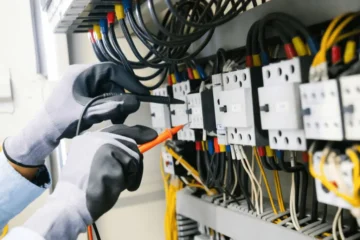
Here’s where things get dicey. If a job involves electrical wiring, natural gas, load-bearing walls, or anything with a permit, put down the hammer and reach for your phone instead. Messing with electricity can end in disaster if you’re not trained. Water leaks behind walls or under sinks, and any project that moves plumbing, are sneaky troublemakers—improper repairs can cost way more down the line.
And then there’s anything large and high-up, like residential roof repair. One misstep and you could be dealing with injuries or major home damage. If a mistake could lead to health hazards or structural mess, it’s best left to professionals.
Budget, Tools, and Time
Look at your budget, but also your time. Sometimes, attempting a DIY fix means buying new tools, giving up a whole weekend, or putting yourself under unnecessary stress. Pros already own the right equipment and can usually finish a job in half the time. Weigh the costs—including your sanity—before picking up that sledgehammer.
Know Your Limits—and Have Fun
DIY should be rewarding, not a source of constant headaches. Start small, build confidence, and challenge yourself only when you’re ready. Outsourcing isn’t a failure—it’s just smart. Some projects are meant to become good stories, not sagas you regret later.
In the end, the best homes are made with a mix of elbow grease and knowing when to call in backup. And if all else fails, at least you’ll have learned something for next time—even if it’s just a new appreciation for skilled tradespeople.