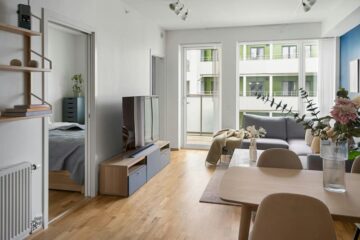
Ceiling Design Ideas Elevating Modern Home Interiors Stylishly
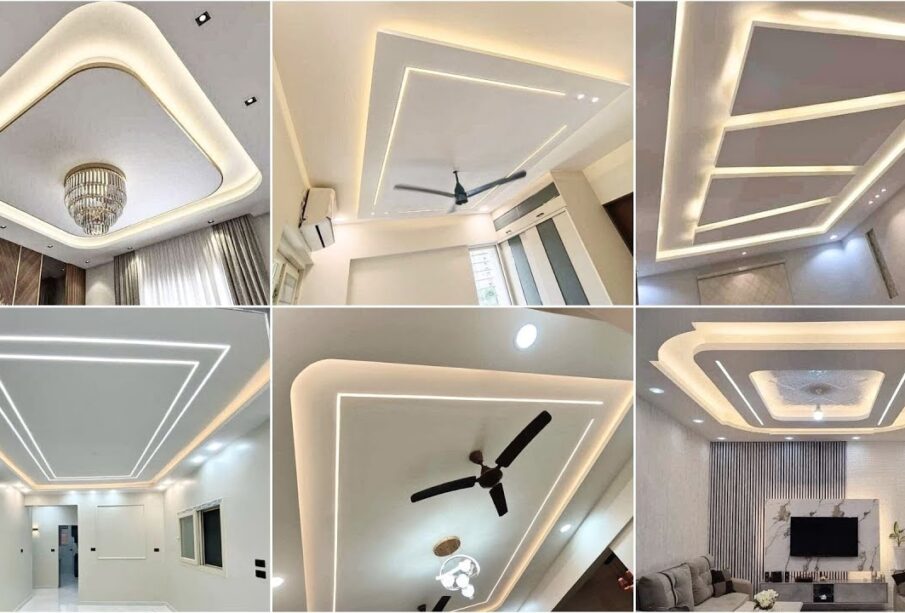
Ceilings are often overlooked during interior planning, yet they play a powerful role in shaping how a space feels and functions. A thoughtfully designed ceiling can make rooms appear larger, brighter, more refined, and architecturally complete. In modern homes, ceiling design is no longer limited to simple flat finishes. It now serves as a defining visual feature that enhances style, lighting, and spatial perception.
Whether updating a living room, bedroom, hallway, or kitchen, ceiling design choices can dramatically transform the character of a home. The right ceiling treatment improves balance, highlights focal areas, and supports the overall interior theme.
This guide explores practical and stylish ceiling design ideas that elevate modern interiors while maintaining comfort and functionality.
Why Ceiling Design Matters in Modern Interiors
Ceilings influence how people experience a room from the moment they enter. They affect lighting distribution, acoustics, visual depth, and architectural interest.
Well planned ceiling designs can:
- Create a stronger sense of space
- Improve lighting performance
- Add architectural personality
- Define functional zones in open layouts
- Increase property appeal
- Support cohesive interior styling
Instead of remaining a blank surface, ceilings can become an essential design layer that complements walls, flooring, and furniture.
False Ceiling Designs for a Sleek Contemporary Look
False ceilings remain one of the most popular choices in modern homes because they allow flexibility in lighting placement and visual structure.
Also known as drop ceilings, these installations create a secondary surface below the structural ceiling. This added layer improves aesthetics while concealing wiring, ductwork, and fixtures.
Common false ceiling advantages include:
- Integrated recessed lighting placement
- Clean and polished appearance
- Concealed electrical installations
- Improved acoustic comfort
- Enhanced temperature insulation support
Minimal layered designs work especially well in contemporary living rooms where simplicity and symmetry define the style.
Soft LED strip lighting within recessed edges adds warmth without overwhelming the room visually.
Tray Ceilings Creating Depth and Architectural Interest
Tray ceilings add subtle elevation changes that introduce dimension without heavy construction.
This design involves a recessed central section surrounded by a raised perimeter border. The layered structure naturally draws attention upward, creating a sense of openness.
Tray ceilings work well in:
- Living rooms
- Dining areas
- Bedrooms
- Entryways
Enhancement options include:
- Hidden LED lighting
- Accent paint finishes
- Decorative molding
- Metallic highlights
Using contrasting paint colors inside the recessed section helps emphasize the architectural shape while maintaining visual harmony.
Tray ceilings are particularly effective in homes with moderate ceiling height because they create depth without overwhelming the space.
Wooden Ceiling Panels Adding Warmth and Texture
Wood ceiling treatments introduce warmth and natural texture that soften modern interiors dominated by neutral palettes and smooth surfaces.
Wood panels can be installed in multiple patterns such as:
- Linear slat layouts
- Grid formations
- Chevron patterns
- Wide plank installations
Benefits of wooden ceilings include:
- Improved acoustic comfort
- Natural visual warmth
- Compatibility with minimalist interiors
- Strong contrast against white walls
- Long lasting durability when sealed properly
Light toned woods like oak create an airy appearance, while darker tones such as walnut add richness and sophistication.
Wood ceilings pair especially well with modern lighting fixtures and neutral furniture arrangements.
Coffered Ceilings for Structured Elegance
Coffered ceilings feature recessed panels arranged in geometric grid patterns that create strong architectural definition.
Traditionally associated with classical interiors, modern coffered ceilings now appear in contemporary homes using simplified panel proportions and neutral finishes.
Advantages of coffered ceiling designs include:
- Enhanced ceiling height perception
- Balanced visual symmetry
- Improved acoustic performance
- Elegant structural character
Painting coffered panels in soft neutral shades ensures they complement modern interiors rather than appearing overly decorative.
They work particularly well in dining rooms and formal living spaces where architectural detail enhances atmosphere.
Cove Lighting Ceilings Creating Soft Ambient Illumination
Cove lighting ceilings use concealed light sources positioned within ceiling recesses to produce indirect illumination.
This technique creates a calm and balanced lighting environment that enhances comfort while highlighting architectural shapes.
Key benefits include:
- Reduced glare compared to direct lighting
- Enhanced evening ambiance
- Modern layered lighting effect
- Visual expansion of ceiling height
Cove lighting works especially well in bedrooms and living rooms where soft illumination supports relaxation.
Combining cove lighting with recessed spotlights provides both functional brightness and decorative atmosphere.
Minimalist Flat Ceilings Supporting Clean Modern Interiors
Minimalist ceiling designs remain highly effective in contemporary homes where simplicity defines the aesthetic direction.
Flat ceilings with smooth finishes provide a neutral backdrop that allows furniture, lighting, and artwork to stand out more clearly.
Enhancement strategies include:
- Matte paint finishes
- Subtle recessed lighting placement
- Linear pendant fixtures
- Neutral color palettes
White ceilings remain the most common choice because they reflect natural light efficiently and create an open feeling.
However, soft gray and warm beige tones are increasingly popular in modern interiors seeking subtle contrast.
Statement Ceiling Paint Colors Transforming Visual Impact
Ceiling color influences how spacious and balanced a room feels.
Using accent colors above eye level introduces unexpected personality without overwhelming wall surfaces.
Popular ceiling paint approaches include:
- Deep charcoal ceilings for dramatic contrast
- Soft pastel ceilings for gentle warmth
- Warm beige ceilings for cohesive comfort
- Navy ceilings for sophisticated depth
Painting ceilings slightly lighter than wall colors helps maintain openness while adding dimension.
This strategy works especially well in bedrooms and dining areas where atmosphere plays a central role.
Geometric Ceiling Designs Enhancing Contemporary Appeal
Geometric ceiling patterns introduce movement and visual rhythm into modern interiors.
These designs often use:
- Linear panel arrangements
- Recessed square formations
- Angular framing layouts
- Symmetrical layered structures
Geometric ceiling treatments complement modern furniture because both emphasize clean lines and structured balance.
Using subtle contrasts rather than bold color shifts ensures the ceiling remains elegant rather than visually overwhelming.
Geometric detailing works particularly well in open plan living spaces where ceiling structure helps define functional zones.
Integrated Lighting Ceilings Improving Function and Style
Modern ceiling design increasingly combines architectural structure with lighting planning.
Integrated lighting solutions include:
- Recessed spotlights
- Linear LED channels
- Pendant fixture groupings
- Hidden perimeter lighting strips
Layered lighting creates flexibility for different activities throughout the day.
Bright lighting supports productivity during daytime hours, while softer illumination enhances relaxation during evenings.
Strategically positioned ceiling lighting improves visual comfort while strengthening the room’s overall design composition.
Metallic Ceiling Accents Adding Contemporary Sophistication
Metallic ceiling accents introduce subtle reflectivity that enhances brightness and luxury.
Common metallic ceiling treatments include:
- Brushed brass trim inserts
- Aluminum panel strips
- Metallic paint highlights
- Reflective ceiling borders
When used carefully, metallic finishes create refined contrast without overwhelming surrounding materials.
They pair especially well with modern lighting fixtures and neutral interior palettes.
Metallic ceiling accents are particularly effective in entryways and dining spaces where visual impact matters most.
Combining Ceiling Materials for Layered Interior Interest
Combining materials adds depth and character that single surface ceilings cannot achieve alone.
Effective combinations include:
- Wood panels with recessed lighting
- Painted tray ceilings with metallic trim
- Gypsum ceilings with hidden LED channels
- Coffered ceilings with contrasting finishes
Layering materials strengthens architectural identity while maintaining modern simplicity.
This approach works especially well in large living areas where ceilings play a major visual role.
Matching Ceiling Design with Room Function
Ceiling choices should reflect how each room is used.
Examples include:
Living rooms
- False ceilings with layered lighting
- Tray ceilings for spacious appearance
- Wood accents for warmth
Bedrooms
- Cove lighting ceilings
- Soft paint tone ceilings
- Minimal recessed lighting layouts
Dining areas
- Coffered ceilings
- Pendant centered tray ceilings
- Metallic accent ceilings
Entryways
- Geometric panel ceilings
- Statement paint finishes
- Compact recessed lighting arrangements
Selecting ceiling designs based on room function ensures both practicality and visual consistency.
Frequently Asked Questions
How do ceiling designs influence room acoustics
Layered ceilings such as wood panels and coffered structures help absorb sound reflections, improving acoustic comfort in larger spaces.
Can ceiling designs increase perceived ceiling height
Yes. Tray ceilings, vertical panel arrangements, and perimeter lighting techniques create the illusion of greater height.
Are false ceilings suitable for small apartments
Yes. Slim profile false ceilings with recessed lighting improve visual organization without reducing usable space significantly.
What ceiling color works best for rooms with limited natural light
Soft white and warm neutral tones reflect available light more effectively and make rooms feel brighter.
Do wooden ceilings require special maintenance
Sealed wood ceilings require occasional dusting and periodic inspection to maintain their finish and durability.
Can ceiling lighting replace wall lighting entirely
Layered ceiling lighting can handle most illumination needs, but combining ceiling fixtures with accent lighting improves flexibility.
Is it possible to mix multiple ceiling design styles in one home
Yes. Mixing complementary ceiling styles across rooms creates visual variety while maintaining a cohesive overall design identity.