
Simple Kitchen Cleaning Routines for Maintaining Daily Hygiene
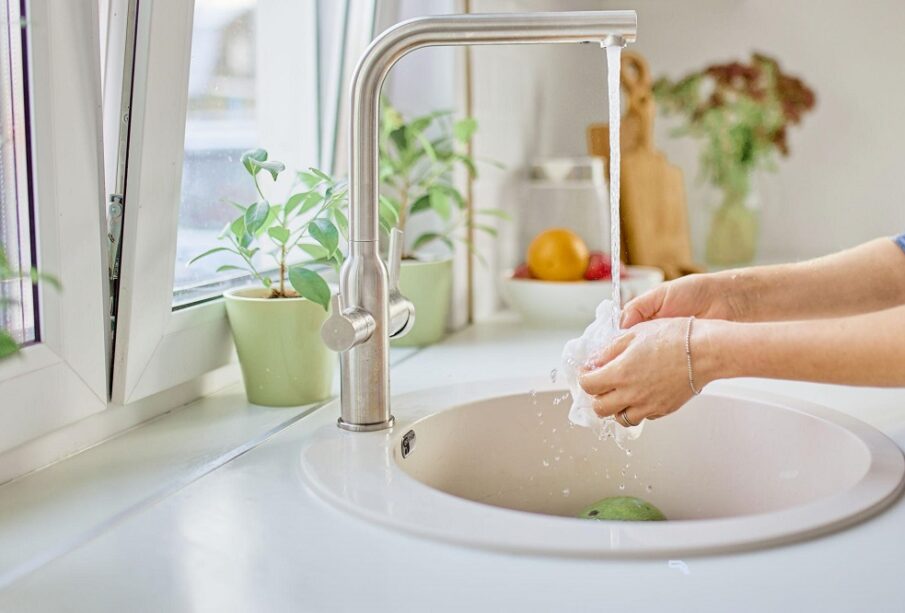
A clean kitchen supports healthy living, efficient cooking, and a more comfortable home environment. Because the kitchen is used multiple times each day, small cleaning habits matter more than occasional deep cleaning. Establishing simple daily routines helps prevent bacteria buildup, odors, stains, and clutter from accumulating over time.
Maintaining kitchen hygiene does not require complicated schedules or expensive products. Consistency and smart organization are the key factors that keep this space fresh, safe, and visually inviting. With the right approach, even busy households can maintain a spotless kitchen without spending hours cleaning.
This guide outlines practical daily routines that improve kitchen hygiene while making cleaning faster and easier to manage.
Why Daily Kitchen Cleaning Routines Matter
Regular kitchen cleaning protects both health and food safety. Since this area handles raw ingredients, cooked meals, utensils, and waste, it becomes one of the most important hygiene zones in any home.
Simple routines help:
- Prevent bacterial growth
- Reduce cross contamination risks
- Eliminate food odors
- Maintain organized surfaces
- Extend appliance lifespan
- Improve overall indoor cleanliness
Instead of waiting for visible mess to build up, small daily steps keep the kitchen consistently manageable.
Start Each Day with a Clear Kitchen Sink
The kitchen sink is one of the most frequently used surfaces and one of the easiest places for bacteria to spread. Starting each day with an empty, clean sink sets the tone for better hygiene throughout the day.
Helpful sink cleaning habits include:
- Washing dishes immediately after meals
- Rinsing food residue from the basin
- Wiping faucet handles daily
- Drying the sink to prevent water spots
A clean sink also discourages pests and keeps unpleasant odors from forming.
When dishes are handled promptly, the kitchen feels organized and ready for the next task.
Wipe Countertops After Every Meal Preparation
Kitchen countertops collect crumbs, spills, and food particles throughout the day. Cleaning them after each cooking session prevents contamination and keeps surfaces safe for food preparation.
Effective countertop cleaning steps include:
- Removing loose crumbs first
- Using a mild cleaning solution
- Drying surfaces completely
- Sanitizing high contact areas
Pay extra attention to areas near cutting boards and food storage zones. Keeping countertops clear also improves workflow efficiency while cooking.
Consistent wiping prevents stains from becoming permanent and keeps the kitchen looking fresh.
Keep Cooking Surfaces Clean and Grease Free
Cooking surfaces accumulate grease quickly, especially when meals are prepared multiple times daily. Cleaning the stovetop after each use reduces buildup that becomes difficult to remove later.
Daily stovetop maintenance includes:
- Wiping spills while still fresh
- Removing loose food particles
- Cleaning burner areas carefully
- Drying surfaces after wiping
This routine keeps cooking areas hygienic and improves appliance performance over time.
Clean stovetops also reduce cooking odors and improve kitchen appearance.
Sweep the Floor to Prevent Dirt Accumulation
Kitchen floors collect crumbs, dust, and food particles throughout the day. Even small debris can attract pests if ignored.
Daily floor care should include:
- Sweeping high traffic areas
- Removing dropped food immediately
- Cleaning corners where crumbs gather
- Keeping entry points clear of dirt
Quick sweeping takes only a few minutes but significantly improves cleanliness and safety.
Maintaining clean floors also prevents stains from forming on tile or vinyl surfaces.
Disinfect Frequently Touched Kitchen Surfaces
Certain kitchen areas are touched repeatedly throughout the day and require extra attention.
Common high contact points include:
- Refrigerator handles
- Cabinet handles
- Drawer pulls
- Light switches
- Faucet controls
Disinfecting these areas daily helps reduce the spread of germs across the kitchen environment.
Using a gentle disinfectant keeps surfaces safe without damaging finishes.
This routine becomes especially important in households with multiple family members.
Empty the Trash Before It Becomes Overfilled
Kitchen trash bins collect food waste that can quickly produce odors and bacteria. Emptying the trash regularly is one of the simplest ways to maintain kitchen hygiene.
Helpful trash management practices include:
- Removing waste daily when cooking frequently
- Cleaning the trash bin interior weekly
- Using liners to reduce residue buildup
- Keeping lids closed when possible
A clean trash area prevents pests and keeps the kitchen smelling fresh.
Regular disposal routines also support better overall household sanitation.
Wash Dishcloths and Sponges Frequently
Dishcloths and sponges are among the most contaminated items in the kitchen if not cleaned regularly.
Safe cleaning routines include:
- Replacing sponges often
- Washing cloths in hot water
- Allowing materials to dry completely between uses
- Avoiding prolonged moisture exposure
Keeping cleaning tools sanitary ensures they improve hygiene rather than spread bacteria.
Switching cloths every few days maintains effectiveness and freshness.
Maintain a Clutter Free Kitchen Workspace
Clutter reduces efficiency and makes cleaning more difficult. A tidy kitchen workspace supports better hygiene habits.
Simple decluttering routines include:
- Returning items to storage after use
- Keeping counters mostly clear
- Storing unused appliances properly
- Organizing frequently used tools within reach
Clear surfaces allow faster cleaning and improve the overall appearance of the kitchen.
Maintaining organized work areas also encourages consistent daily cleaning habits.
Clean the Refrigerator Exterior and Interior Spots Daily
Refrigerators store food continuously, making hygiene essential for safe consumption.
Daily refrigerator care includes:
- Wiping exterior handles
- Checking for spills inside shelves
- Removing expired food promptly
- Keeping containers sealed tightly
Addressing small messes early prevents unpleasant odors and contamination.
Regular refrigerator maintenance also improves energy efficiency and food freshness.
Sanitize Cutting Boards After Every Use
Cutting boards are directly exposed to raw ingredients and must be cleaned immediately after use.
Effective cleaning practices include:
- Washing with warm water and mild detergent
- Drying boards completely
- Using separate boards for vegetables and raw proteins
- Sanitizing boards regularly
These steps reduce the risk of cross contamination and improve kitchen safety.
Wooden boards especially benefit from proper drying to prevent moisture absorption.
Establish a Nighttime Reset Routine
Ending the day with a clean kitchen makes mornings easier and supports long term hygiene consistency.
A simple nighttime reset routine includes:
- Washing remaining dishes
- Wiping counters and stovetops
- Sweeping visible debris
- Taking out trash if needed
- Organizing frequently used items
Completing these steps before bedtime prevents clutter buildup and prepares the kitchen for the next day.
This routine requires only a few minutes but makes a noticeable difference.
Keep Cleaning Supplies Easily Accessible
Having cleaning tools within reach encourages daily use and reduces effort required to maintain hygiene.
Useful supplies to keep nearby include:
- Microfiber cloths
- Mild surface cleaners
- Dishwashing liquid
- Disposable wipes
- Floor cleaning tools
Accessible supplies increase the likelihood of quick cleaning after cooking activities.
Convenience supports consistency, which is the foundation of effective kitchen hygiene routines.
Rotate Weekly Mini Cleaning Tasks Alongside Daily Habits
Daily routines work best when combined with small weekly maintenance tasks.
Examples include:
- Cleaning cabinet fronts
- Washing floor corners thoroughly
- Wiping backsplash areas
- Cleaning appliance surfaces
- Sanitizing sink drains
Rotating these tasks prevents buildup that requires deep cleaning later.
This balanced approach keeps kitchens hygienic without overwhelming schedules.
Frequently Asked Questions
How long should daily kitchen cleaning routines take
Most daily kitchen cleaning routines take between ten and twenty minutes when tasks are completed consistently after each activity.
What is the safest way to clean kitchen surfaces used for food preparation
Using mild surface cleaners followed by a clean damp cloth ensures surfaces remain safe without leaving chemical residue behind.
How often should kitchen floors be mopped
Kitchen floors should be mopped several times per week depending on cooking frequency and household activity levels.
Can natural cleaning solutions maintain kitchen hygiene effectively
Natural cleaning solutions such as vinegar mixtures can remove many surface residues, but disinfectants may still be necessary for high risk areas.
How do I prevent unpleasant kitchen sink odors
Regular rinsing, drying, and occasional drain cleaning help prevent odor buildup inside kitchen sinks.
Should kitchen cleaning routines change during seasonal weather changes
Yes. Rainy or dusty seasons often require more frequent floor cleaning and surface wiping due to increased debris entering the kitchen.
What is the best time of day to clean the kitchen for maximum efficiency
Cleaning immediately after meals and completing a short nighttime reset routine keeps the kitchen consistently hygienic with minimal effort.