
Simple Drip Irrigation Setup For Home Gardens Easily
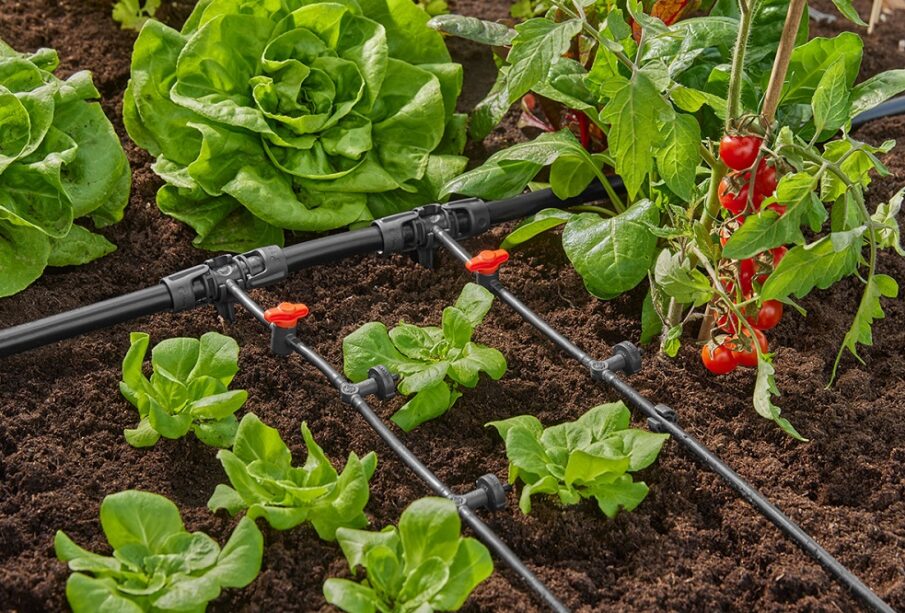
Watering a home garden efficiently can make the difference between struggling plants and thriving greenery. Traditional watering methods often waste water, require daily effort, and distribute moisture unevenly across soil surfaces. A simple drip irrigation setup solves these problems by delivering water directly to plant roots in controlled amounts.
Drip irrigation systems are especially useful for small backyard gardens, terrace gardens, raised beds, and container setups. They save time, reduce water waste, and improve plant health by maintaining consistent soil moisture levels. With basic planning and affordable materials, homeowners can install a reliable drip irrigation system without professional help.
This guide explains how to set up a simple drip irrigation system step by step and how to maintain it effectively for long term garden success.
What Is Drip Irrigation And Why It Works So Well
Drip irrigation is a low pressure watering system that releases water slowly near the root zone of plants. Instead of spraying water across large areas, it delivers moisture exactly where plants need it most.
This method supports healthier growth because roots receive steady hydration rather than sudden heavy watering.
Benefits of drip irrigation include:
- Reduced water consumption
- Better root development
- Fewer weeds due to controlled watering zones
- Lower evaporation loss
- Less soil erosion
- Improved fertilizer efficiency
Because water reaches plants gradually, the soil maintains balanced moisture levels throughout the day.
Essential Components Needed For A Simple Drip Irrigation Setup
Before installation begins, it helps to understand the basic parts of a drip irrigation system. Most home setups use simple and affordable materials that are easy to assemble.
Common components include:
- Main supply hose connected to a water source
- Drip tubing that distributes water across planting areas
- Emitters that release controlled water flow
- Connectors and fittings for branching lines
- Pressure regulator to control water force
- Filter to prevent clogging
- End caps to seal tubing ends
Many starter kits include these items in one package, making installation straightforward for beginners.
Choosing The Right Location For Your Drip Irrigation Layout
Planning the layout correctly ensures efficient watering and prevents unnecessary adjustments later.
Start by observing:
- Plant spacing
- Sun exposure areas
- Slope direction
- Water source position
- Container versus ground planting zones
Grouping plants with similar water needs improves irrigation performance and simplifies maintenance.
For example, vegetables requiring frequent watering should share the same tubing line rather than mixing with drought tolerant plants.
Careful placement also prevents overwatering sensitive plants.
Connecting The System To A Reliable Water Source
Every drip irrigation system begins with a stable water connection. Most home gardeners connect their system directly to an outdoor faucet or garden tap.
Steps include:
- Attaching a faucet connector
- Installing a pressure regulator
- Adding a filter unit
- Connecting the main tubing line
These components protect the system from excessive pressure and debris that could block emitters.
Once connected properly, the system distributes water evenly across the garden area.
Installing Main Tubing Across The Garden Area
Main tubing serves as the backbone of the irrigation system. It carries water from the source to each planting zone.
To install it effectively:
- Lay tubing along plant rows
- Avoid sharp bends in lines
- Keep tubing close to root areas
- Secure tubing using garden stakes
Positioning tubing slightly above soil surface improves visibility and simplifies maintenance.
Flexible tubing makes adjustments easy if plant arrangements change later.
Adding Emitters For Accurate Water Delivery
Emitters control how much water each plant receives. Selecting the correct emitter type ensures balanced hydration.
Common emitter types include:
- Fixed flow emitters for consistent watering
- Adjustable emitters for flexible control
- Inline emitters built into tubing
- Micro sprayers for wider coverage areas
Place emitters close to plant roots rather than stems to encourage strong root expansion.
Spacing emitters properly prevents water competition between neighboring plants.
Setting Up Drip Irrigation For Container Gardens
Container plants dry out faster than ground soil and benefit greatly from drip irrigation systems.
Effective container setup tips include:
- Using micro tubing for individual pots
- Installing adjustable emitters for flexibility
- Securing tubing along pot edges
- Grouping containers by watering needs
This approach maintains consistent moisture without overwatering delicate plants.
Container drip irrigation also saves time for gardeners managing multiple pots.
Using Timers To Automate Watering Schedules
Adding a timer transforms a simple drip irrigation setup into an automated watering system.
Timers allow gardeners to:
- Set watering duration
- Control watering frequency
- Adjust seasonal schedules
- Maintain consistency during travel
Automation improves plant health because watering remains regular even when schedules change.
Battery powered timers are easy to install and widely available for home garden use.
Adjusting Water Flow Based On Plant Needs
Different plants require different moisture levels. Adjusting emitter flow ensures efficient water use.
Consider these adjustments:
- Increase flow for leafy vegetables
- Reduce flow for herbs
- Moderate flow for flowering plants
- Use multiple emitters for larger shrubs
Testing soil moisture after installation helps confirm proper hydration levels.
Balanced watering supports stronger plant growth and prevents root stress.
Preventing Common Drip Irrigation Installation Mistakes
Beginners often make simple setup mistakes that affect system performance. Avoiding these issues ensures better results.
Common mistakes include:
- Skipping pressure regulators
- Using uneven tubing lengths
- Placing emitters too far from roots
- Ignoring filtration components
- Overcrowding plants on one line
Careful installation improves long term efficiency and reduces maintenance requirements.
Testing the system immediately after setup helps detect issues early.
Maintaining A Drip Irrigation System For Long Term Performance
Regular maintenance keeps drip irrigation systems working efficiently throughout the growing season.
Maintenance steps include:
- Checking emitters weekly
- Cleaning filters monthly
- Inspecting tubing connections
- Removing blockages promptly
- Flushing lines occasionally
Routine inspections prevent water flow problems and extend system lifespan.
Consistent maintenance also protects plants from unexpected dehydration.
Seasonal Adjustments For Better Irrigation Efficiency
Watering needs change depending on weather conditions and plant growth stages.
Seasonal adjustments may include:
- Increasing watering frequency during summer
- Reducing watering during cooler months
- Adjusting timer settings after rainfall
- Monitoring soil moisture regularly
Adapting schedules ensures plants receive appropriate hydration without wasting water.
Flexible irrigation routines support year round garden health.
Benefits Of Drip Irrigation Compared To Traditional Watering Methods
Drip irrigation provides several advantages over manual watering with hoses or watering cans.
These benefits include:
- Reduced physical effort
- More efficient water use
- Improved plant health
- Lower weed growth
- Better nutrient absorption
- Consistent soil moisture levels
Because water reaches roots directly, plants grow stronger and more resilient over time.
This method is especially helpful for busy homeowners managing gardens alongside daily responsibilities.
Frequently Asked Questions
How long does it take to install a basic drip irrigation system at home
Most small garden drip irrigation systems can be installed within two to three hours depending on layout complexity and garden size.
Can drip irrigation work with low water pressure
Yes. Drip irrigation systems are designed to operate efficiently under low pressure conditions when a pressure regulator is used properly.
Is drip irrigation suitable for raised garden beds
Raised beds benefit greatly from drip irrigation because water reaches root zones evenly without washing away soil.
How often should drip irrigation systems run during hot weather
During hot weather, watering once daily in the early morning is generally effective, though adjustments depend on plant type and soil conditions.
Can fertilizers be used with drip irrigation systems
Yes. Liquid fertilizers can be applied through drip irrigation using appropriate feeder attachments designed for safe distribution.
Does drip irrigation help reduce weed growth
Yes. Because water is delivered directly to plant roots rather than surrounding soil, fewer weeds receive the moisture needed to grow.
Is drip irrigation safe for newly planted seedlings
Yes. Using low flow emitters helps protect seedlings by providing gentle and consistent hydration without disturbing young roots.


