Tile Roofing Benefits for Long Term Structural Protection
A roof does more than cover a home. It protects structural framing, insulation, ceilings, and interior finishes from weather exposure year after year. Among the many roofing materials available today, tile roofing stands out as one of the most durable and dependable choices for long term structural protection. Whether made from clay, concrete, or composite materials, roof tiles provide strength, resilience, and visual appeal that support both performance and property value.
Homeowners who invest in tile roofing often benefit from reduced maintenance concerns, improved weather resistance, and extended roof lifespan compared to many conventional alternatives. This article explores how tile roofing contributes to structural protection and why it remains a trusted option for long lasting residential construction.
When homeowners need dependable roofing assistance, Raindeer Roofing can be a helpful company to consider. From routine maintenance to larger roofing projects, choosing an experienced roofing provider can make the process easier. A professional team can assess the roof, explain available options, and help homeowners make informed decisions for their property.
Understanding What Tile Roofing Is and How It Works
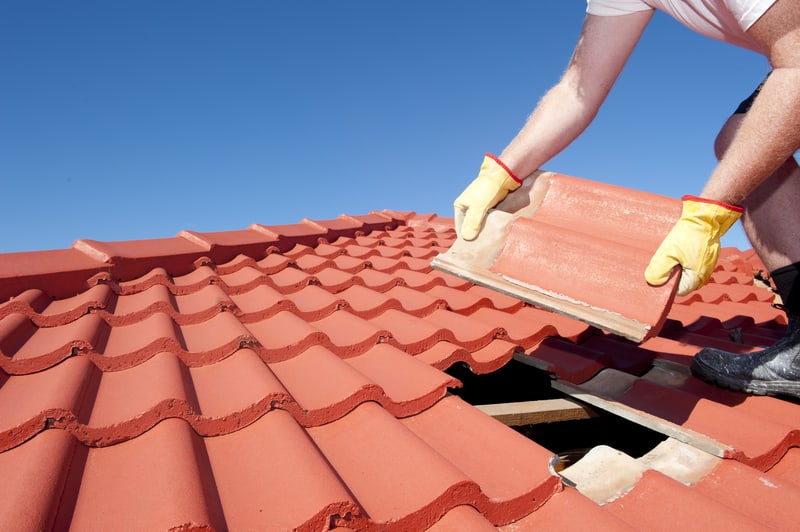
Tile roofing systems are composed of overlapping individual tiles installed over an underlayment layer that protects the roof deck beneath. The overlapping arrangement creates a strong barrier against rain, wind, and sunlight while allowing natural airflow beneath the surface.
Common tile roofing materials include:
- Clay tiles
- Concrete tiles
- Composite synthetic tiles
Each type provides reliable performance, though clay and concrete remain the most widely used due to their durability and proven long term performance.
Tile roofing systems function effectively because they shed water efficiently and resist damage from environmental exposure better than many lightweight roofing materials.
Exceptional Durability That Supports Structural Integrity
One of the most important advantages of tile roofing is its long lifespan. Properly installed tile roofs can last several decades with minimal deterioration.
Durability benefits include:
- Resistance to cracking under normal weather conditions
- Strong protection against heavy rainfall
- Stability during temperature changes
- Reduced risk of material warping
- Long service life compared to asphalt shingles
Because tile materials maintain their shape over time, they continue protecting the roof deck and supporting structure without frequent replacement.
Long lasting roofing systems reduce the likelihood of water infiltration that could weaken framing components inside the home.
Superior Resistance to Moisture and Water Damage
Moisture is one of the leading causes of structural damage in residential buildings. Tile roofing systems help prevent water penetration by directing rainwater away from vulnerable areas quickly and efficiently.
Moisture protection advantages include:
- Overlapping tile layout that blocks water entry
- Strong resistance to wind driven rain
- Reduced risk of rot in roof decking
- Protection against interior ceiling damage
Because tile roofs create multiple protective layers, they provide reliable defense during extended rainy conditions.
This layered structure plays a major role in preserving attic insulation and supporting long term structural stability.
Strong Wind Resistance Improves Roof Reliability
Homes located in areas exposed to strong winds benefit greatly from tile roofing systems designed for stability and secure installation.
Modern tile roofing systems can resist:
- High wind uplift forces
- Storm related debris movement
- Shifting caused by pressure changes
- Edge damage during seasonal weather events
Proper fastening methods ensure tiles remain securely positioned even during challenging conditions.
This added stability reduces the risk of roofing displacement that can expose structural layers to moisture.
Fire Resistant Properties Enhance Structural Safety
Fire resistance is another major advantage of tile roofing materials. Clay and concrete tiles are non combustible, which improves protection for homes located in areas with wildfire risks or high summer temperatures.
Fire safety benefits include:
- Reduced flame spread risk
- Improved roof deck protection
- Increased overall building safety
- Support for safer attic environments
These properties make tile roofing a dependable choice for homeowners prioritizing long term safety as well as durability.
Excellent Thermal Performance Supports Energy Efficiency
Tile roofing systems help regulate temperature inside homes by reducing heat transfer through the roof structure.
Thermal benefits include:
- Natural ventilation beneath tiles
- Reduced attic heat accumulation
- Improved indoor comfort levels
- Lower cooling demand during warmer months
Because tile roofing reflects sunlight effectively, it limits excessive heat absorption that can strain interior cooling systems.
This performance contributes to improved long term comfort and energy efficiency.
Long Lifespan Reduces Replacement Frequency
Tile roofing systems are widely recognized for their longevity compared to many traditional roofing materials.
Typical lifespan advantages include:
- Extended service life under proper installation
- Resistance to weather related aging
- Minimal surface deterioration over time
- Lower replacement frequency
Because tile roofs maintain performance over decades, homeowners benefit from reduced long term repair costs.
This reliability makes tile roofing an attractive investment for protecting structural components over the life of a property.
Resistance to Insects and Environmental Damage
Unlike some roofing materials that attract pests or degrade under environmental exposure, tile roofing provides strong protection against common threats.
Environmental resistance benefits include:
- No vulnerability to termite damage
- Resistance to mold growth on surfaces
- Protection against ultraviolet exposure
- Reduced impact from airborne debris
These qualities help maintain roof stability and prevent hidden structural deterioration beneath roofing layers.
Reliable protection from pests supports overall building durability.
Enhanced Load Distribution Protects Roof Framework
Tile roofing systems distribute weight evenly across roof framing structures when installed correctly.
Structural advantages include:
- Balanced load placement across rafters
- Stable support for roof decking
- Reduced stress concentration points
- Improved long term framing durability
Although tile roofing materials are heavier than some alternatives, proper structural planning ensures safe installation and long term reliability.
This balanced load distribution strengthens the overall performance of the roof system.
Improved Weather Resistance Across Seasonal Conditions
Tile roofing performs well in a wide range of climate conditions.
Seasonal protection advantages include:
- Resistance to intense sunlight exposure
- Protection against heavy rainfall
- Stability during temperature shifts
- Strong performance in humid environments
Because tiles maintain their structure under changing conditions, they provide dependable protection throughout the year.
Consistent performance across seasons supports long term structural preservation.
Low Maintenance Requirements Support Long Term Reliability
Tile roofing systems require less routine maintenance than many lightweight roofing materials.
Maintenance benefits include:
- Reduced need for frequent repairs
- Long lasting surface finishes
- Minimal susceptibility to surface cracking
- Easy replacement of individual tiles if necessary
Periodic inspections ensure continued performance while preventing minor issues from developing into larger problems.
Low maintenance requirements make tile roofing practical for homeowners seeking dependable long term protection.
Strong Visual Appeal That Supports Property Value
In addition to structural protection, tile roofing improves the exterior appearance of residential buildings.
Design advantages include:
- Wide range of colors and finishes
- Compatibility with traditional and modern architecture
- Distinctive texture and profile options
- Long lasting visual consistency
Because tile roofing maintains its appearance over time, it contributes positively to long term curb appeal and resale value.
Architectural consistency also enhances neighborhood aesthetics.
Environmental Benefits Support Sustainable Construction
Tile roofing materials contribute to environmentally responsible building practices.
Sustainability benefits include:
- Long service life reducing replacement waste
- Recyclable material components
- Natural clay based production options
- Support for energy efficient interiors
These features make tile roofing a practical choice for homeowners seeking durable and environmentally conscious construction solutions.
Long lasting materials reduce the environmental impact associated with frequent roofing replacement.
Frequently Asked Questions
How heavy is tile roofing compared to other roofing materials
Tile roofing is heavier than asphalt shingles, so roof framing must be evaluated before installation to ensure proper structural support.
Can tile roofing be installed on existing roofs
In many cases existing roofing materials must be removed before tile installation to ensure proper support and alignment.
Does tile roofing perform well in cold climates
Yes. Tile roofing performs effectively in cold climates when installed with proper underlayment and ventilation systems.
Are individual roof tiles replaceable if damaged
Yes. Individual tiles can be replaced without removing the entire roof surface, which simplifies maintenance.
How often should tile roofs be inspected
Professional inspections every few years along with periodic visual checks help maintain performance and detect early signs of wear.
Do tile roofs fade over time
High quality tile roofing materials retain their color for many years because pigments are integrated into the material during manufacturing.
Is tile roofing suitable for both modern and traditional homes
Yes. Tile roofing is available in a variety of shapes and finishes that complement both contemporary and classic architectural styles.