
Landscape Design Ideas for Creating Beautiful and Functional Outdoor Spaces
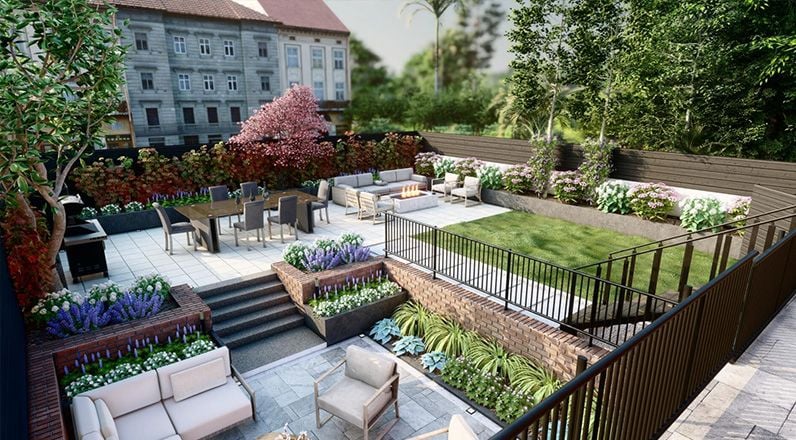
Landscape design plays a major role in shaping how a home feels from the outside while also improving comfort, usability, and property value. A thoughtfully planned landscape does more than enhance visual appeal. It creates outdoor environments that support relaxation, entertainment, gardening, and everyday living.
Modern landscaping focuses on balancing beauty with practicality. It integrates greenery, pathways, lighting, seating areas, and water features into a cohesive layout that complements the architecture of the home. Whether working with a compact yard or a spacious property, smart landscape planning transforms outdoor areas into inviting extensions of indoor living spaces.
This guide explains essential landscape design principles, layout ideas, plant selection strategies, and maintenance approaches that help homeowners create attractive and long lasting outdoor environments.
Why Landscape Design Matters for Residential Spaces
A well designed landscape improves both appearance and functionality. It shapes how visitors experience the home and how residents interact with outdoor areas daily.
Benefits of thoughtful landscaping include:
- Increased property value
- Improved curb appeal
- Better outdoor usability
- Enhanced environmental comfort
- Natural temperature regulation
- Improved drainage management
- Stronger connection with nature
Landscape design also supports healthier living by encouraging outdoor activity and providing spaces for relaxation.
Planning a Landscape Layout Before Starting
Successful landscaping begins with planning. A structured layout prevents overcrowding and ensures each area serves a clear purpose.
Key planning considerations include:
- Available yard size
- Sunlight exposure patterns
- Soil conditions
- Drainage flow direction
- Existing trees or structures
- Entry and walkway locations
Dividing the yard into functional zones improves organization and usability.
Typical outdoor zones include:
- Entrance landscaping area
- Lawn or open play space
- Seating or relaxation area
- Garden beds
- Pathways and circulation routes
Clear zoning ensures the landscape looks balanced rather than random.
Choosing Plants That Suit the Local Environment
Plant selection is one of the most important steps in landscape design. Choosing plants that adapt well to the local climate reduces maintenance and supports long term growth.
Good plant selection strategies include:
- Selecting drought tolerant varieties where appropriate
- Mixing evergreen and seasonal plants
- Using native plants when possible
- Considering mature plant size
- Grouping plants with similar watering needs
Native plants often perform better because they are naturally suited to local soil and weather conditions.
Balanced plant layering also improves visual depth across the landscape.
Using Trees to Create Structure and Shade
Trees form the structural backbone of landscape design. They define boundaries, create shade, and anchor visual composition across outdoor spaces.
Benefits of adding trees include:
- Reduced heat around the home
- Improved privacy
- Stronger visual hierarchy
- Protection from wind exposure
- Increased biodiversity support
Strategically placed trees near seating areas make outdoor spaces more comfortable during warmer months.
Small ornamental trees also work well in compact landscapes where large canopy trees may not fit.
Designing Walkways That Improve Accessibility
Walkways connect different areas of a landscape and guide movement naturally throughout the yard.
Popular walkway materials include:
- Natural stone
- Concrete pavers
- Brick surfaces
- Gravel pathways
Curved walkways often create a softer and more inviting appearance compared to straight lines.
Walkways should remain wide enough for comfortable movement and positioned to avoid plant overcrowding.
Proper pathway planning improves both safety and visual flow.
Adding Lawn Areas for Open Space Balance
Lawns provide open visual space that balances planted areas and hardscape features.
Benefits of including lawn zones include:
- Space for recreation
- Improved visual openness
- Cooling effect during warm seasons
- Flexible outdoor use
Maintaining a moderate lawn size prevents excessive watering demands while preserving functionality.
Combining lawn areas with surrounding plant beds creates a balanced composition.
Incorporating Flower Beds for Seasonal Color
Flower beds introduce color variation and visual energy into landscape design.
Effective flower bed planning includes:
- Layering plants by height
- Mixing seasonal bloom cycles
- Using complementary color palettes
- Positioning beds near entry points
Seasonal flowering plants keep landscapes visually interesting throughout the year.
Perennial flowers provide long term structure, while annual plants add temporary seasonal highlights.
Combining both types creates continuous visual interest.
Creating Outdoor Seating Areas for Comfort
Outdoor seating areas transform landscapes into functional living spaces.
Popular seating zone options include:
- Patio seating areas
- Garden benches
- Deck platforms
- Pergola covered spaces
Positioning seating areas near shaded zones improves usability during daytime hours.
Adding nearby plants softens the surrounding environment and enhances relaxation.
Seating zones encourage regular use of outdoor spaces rather than limiting them to decorative purposes only.
Installing Landscape Lighting for Evening Appeal
Landscape lighting improves safety and enhances nighttime visibility.
Common lighting placements include:
- Pathway edges
- Entry areas
- Tree uplighting
- Garden bed accents
- Patio zones
Soft lighting creates depth and atmosphere without overwhelming the natural appearance of the landscape.
Energy efficient lighting systems reduce long term operating costs.
Lighting also highlights architectural features of the home during evening hours.
Adding Water Features for Visual Interest
Water features introduce movement and sound that enhance the outdoor environment.
Popular water feature options include:
- Garden fountains
- Reflecting ponds
- Small waterfalls
- Decorative water bowls
Water features create calming surroundings and attract birds and beneficial wildlife.
Even compact water elements can significantly improve landscape atmosphere.
Proper placement ensures water features remain easy to maintain.
Using Hardscape Elements to Improve Durability
Hardscape features provide structure and reduce maintenance requirements across landscaped areas.
Common hardscape additions include:
- Retaining walls
- Stone borders
- Patio surfaces
- Gravel beds
- Raised garden planters
Hardscape elements create contrast with greenery while supporting drainage and erosion control.
Combining softscape and hardscape materials creates balanced outdoor design composition.
Creating Privacy with Strategic Plant Placement
Privacy improves comfort and usability in outdoor living spaces.
Effective privacy solutions include:
- Tall hedges
- Layered shrubs
- Decorative fencing
- Trellis supported climbing plants
Strategic placement near seating zones creates quiet and protected areas within the yard.
Privacy landscaping also reduces noise from surrounding streets.
Layering plants instead of using a single barrier improves visual depth.
Designing Landscapes That Support Easy Maintenance
Low maintenance landscapes remain attractive without requiring constant attention.
Helpful maintenance strategies include:
- Selecting native plant varieties
- Using mulch to reduce weed growth
- Installing efficient irrigation systems
- Limiting lawn size where possible
- Choosing durable pathway materials
Simple maintenance planning ensures landscapes remain manageable over time.
Efficient design reduces long term upkeep effort while preserving visual quality.
Improving Drainage Through Smart Landscape Planning
Proper drainage protects both landscaping and home foundations.
Drainage improvement techniques include:
- Grading soil away from structures
- Installing permeable pathways
- Using gravel beds in low areas
- Creating rain garden zones
Managing water flow prevents soil erosion and plant damage during heavy rainfall.
Drainage planning also protects hardscape features from long term deterioration.
Matching Landscape Design with Home Architecture
Landscapes should complement the architectural style of the house rather than compete with it.
Examples include:
Modern homes
- Clean lines
- Minimal plant groupings
- Structured pathways
- Neutral material palettes
Traditional homes
- Symmetrical planting layouts
- Flower borders
- Brick pathways
- Shade trees near entry areas
Natural style homes
- Native plant groupings
- Curved walkways
- Informal garden beds
- Layered vegetation zones
Coordinating landscape design with architecture creates visual harmony across the property.
Frequently Asked Questions
How long does it take to complete a residential landscape project
The timeline depends on project size, but most basic residential landscaping projects take several days to a few weeks to complete.
What is the best season to begin landscaping work
Spring and early fall are ideal because moderate temperatures support plant establishment and reduce stress on new installations.
Can small yards benefit from professional landscape design planning
Yes. Even compact spaces benefit from structured layouts that improve usability and visual organization.
How often should landscape plants be replaced
Perennial plants last several years, while seasonal plants may be replaced annually depending on design goals.
Does landscaping help reduce outdoor noise levels
Yes. Trees, shrubs, and hedges help absorb sound and create quieter outdoor environments.
Are raised garden beds useful in residential landscapes
Raised beds improve soil control, drainage, and accessibility while adding structure to outdoor layouts.
How can homeowners reduce water use in landscape maintenance
Selecting drought tolerant plants, installing drip irrigation systems, and using mulch significantly reduce water consumption.


