Designing Multifunctional Spaces for Flexible Home Usage Needs
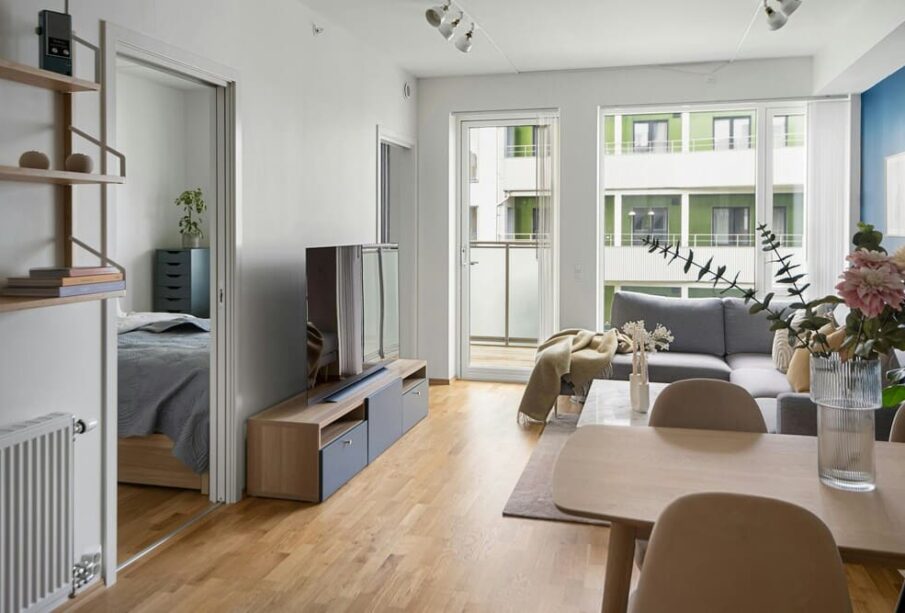
Modern homes are no longer limited to single-purpose rooms. A living room may double as a workspace, a guest room might serve as a fitness area, and a dining table often becomes a study desk. As lifestyles evolve, homeowners increasingly seek adaptable interiors that support productivity, comfort, and creativity within the same footprint. Designing multifunctional spaces allows you to make smarter use of square footage while improving everyday living.
This article explores practical strategies, layout ideas, furniture solutions, and planning techniques to help you create flexible spaces that respond to changing household needs.
Understanding the Purpose of Multifunctional Spaces
Multifunctional design is about creating rooms that support multiple activities without feeling crowded or chaotic. Instead of dedicating separate rooms for each purpose, a single well-planned area can accommodate several roles throughout the day.
Common combinations include:
- Living room plus workspace
- Guest room plus home gym
- Dining room plus study zone
- Bedroom plus reading lounge
- Entryway plus storage hub
The goal is not to compromise comfort but to increase flexibility. Thoughtful planning ensures each function works efficiently without interfering with another.
Why Flexible Home Spaces Matter Today
Homes now serve as offices, classrooms, gyms, entertainment centers, and relaxation zones. Multifunctional layouts provide several advantages.
Maximized usable space
Even large homes benefit from adaptable layouts because unused rooms often become wasted square footage.
Improved lifestyle convenience
Switching from work mode to relaxation mode becomes easier when spaces are designed intentionally.
Future-ready interiors
Flexible rooms adapt as family needs change over time.
Better organization
Smart zoning encourages structured routines and reduces clutter.
Planning Before Designing a Multifunctional Space
Successful multifunctional rooms begin with clarity. Before purchasing furniture or rearranging layouts, identify how the space will actually be used.
Ask yourself:
- How many activities must this room support
- Which activities occur simultaneously
- Which activities require privacy or quiet
- What storage solutions are necessary
- How often the space changes function
This planning stage prevents overcrowding and ensures every element serves a purpose.
Smart Zoning Techniques for Dual Purpose Rooms
Zoning allows multiple activities to exist within one room without visual conflict. It helps create structure without building permanent walls.
Effective zoning strategies include:
Using rugs to define activity areas
A rug visually separates a workspace from a relaxation zone without reducing openness.
Strategic furniture placement
Sofas, shelves, and consoles naturally divide space.
Open shelving partitions
Shelves provide storage while maintaining visibility across the room.
Sliding panels or folding screens
These create temporary privacy when needed.
Lighting variation
Task lighting signals work zones, while soft lighting defines relaxation areas.
Together, these elements guide movement and behavior within the space.
Choosing Furniture That Supports Flexibility
Furniture selection plays the most important role in multifunctional interior design. The right pieces can transform a room within minutes.
Look for furniture that serves multiple purposes.
Examples include:
- Sofa beds for overnight guests
- Extendable dining tables for gatherings
- Storage ottomans for hidden organization
- Fold-down desks for compact work areas
- Wall-mounted shelving systems
- Nesting tables for adaptable surfaces
Convertible furniture helps maintain openness while expanding usability.
Prioritize pieces that are lightweight or movable so the room can shift easily between functions.
Storage Solutions That Keep Spaces Adaptable
Clutter is the biggest obstacle to multifunctional living. Hidden and vertical storage solutions make transitions between activities smoother.
Smart storage ideas include:
Wall-mounted cabinets
They free floor space and maintain openness.
Under-bed storage
Ideal for seasonal items and guest bedding.
Storage benches
Perfect near entryways or windows.
Vertical shelving systems
Maximize unused wall height.
Closet organizers
Improve accessibility and efficiency.
The less visible clutter there is, the easier it becomes to change how a room functions.
Lighting Design for Multi-Use Interiors
Lighting supports both functionality and mood changes throughout the day. A single overhead light rarely meets the needs of multifunctional rooms.
Instead, combine several lighting types.
Recommended lighting layers include:
Ambient lighting
Provides general illumination for everyday movement.
Task lighting
Supports reading, working, or studying.
Accent lighting
Highlights decorative features and creates atmosphere.
Smart bulbs and dimmers allow you to shift lighting intensity depending on how the space is being used.
Creating a Flexible Living Room Workspace
One of the most common multifunctional needs today is combining a living area with a workspace.
To make this combination successful:
Position the desk near natural light if possible
Use compact furniture that blends with existing decor
Add cable management solutions
Install floating shelves above the desk
Choose a comfortable chair that complements the room style
A workspace should feel integrated rather than temporary.
Visual harmony helps the area remain relaxing even during work hours.
Designing Guest Rooms That Serve Everyday Purposes
Guest rooms often remain unused for most of the year. Turning them into flexible spaces increases their value.
Possible combinations include:
- Guest room plus library
- Guest room plus hobby studio
- Guest room plus yoga area
- Guest room plus home office
A sofa bed or Murphy bed allows quick transformation when visitors arrive.
Neutral decor ensures the room remains welcoming regardless of its function.
Multipurpose Bedrooms Without Compromising Comfort
Bedrooms can support multiple roles while maintaining their restful atmosphere.
Ideas include:
Creating a reading corner near a window
Adding a compact workstation along one wall
Installing floating shelves for vertical storage
Using bedside tables with drawers for organization
Avoid overcrowding the sleeping zone. Keep the bed area visually calm to preserve relaxation quality.
Flexible Dining Areas for Modern Homes
Dining rooms are increasingly becoming activity hubs rather than single-use spaces.
Flexible dining spaces can support:
Remote work
Homework sessions
Craft projects
Family meetings
Entertainment hosting
Extendable tables and stackable chairs improve adaptability without sacrificing style.
Adding nearby storage for stationery or table linens keeps the area organized.
Using Color and Materials to Support Versatility
Color choices influence how adaptable a room feels.
Neutral palettes provide flexibility because they complement changing furniture arrangements.
Recommended base colors include:
Soft beige
Warm gray
Muted white
Light taupe
Textures help define zones without overwhelming the room.
Examples include:
Wood finishes for warmth
Metal accents for contrast
Fabric layering for comfort
Glass surfaces for openness
A balanced material palette allows smooth transitions between different room functions.
Technology That Enhances Multifunctional Living
Technology helps transform spaces quickly and efficiently.
Examples include:
Smart lighting systems
Wireless charging stations
Foldable monitor setups
Hidden cable channels
Voice-controlled devices
These solutions reduce clutter while improving usability.
Technology should support flexibility rather than dominate the design.
Mistakes to Avoid When Designing Multifunctional Spaces
Some common design mistakes reduce effectiveness.
Avoid:
Overcrowding with too many furniture pieces
Ignoring storage planning
Using bulky partitions
Choosing oversized desks
Blocking natural light
Successful multifunctional spaces feel intentional rather than improvised.
Balance remains the key principle.
Creating Long-Term Adaptability in Home Design
Multifunctional spaces should evolve with lifestyle changes.
To ensure long-term flexibility:
Choose modular furniture
Install adjustable shelving systems
Keep layouts open where possible
Invest in quality convertible pieces
Avoid permanent structural divisions unless necessary
Designing for change ensures the space remains useful for years to come.
Homes that adapt easily support productivity, comfort, and well-being without requiring constant renovation.
FAQ Section
What is a multifunctional room in a home
A multifunctional room is a space designed to support more than one activity, such as combining a workspace with a living area or a guest room with a study zone.
How do I make a small room serve multiple purposes
Use convertible furniture, vertical storage solutions, movable partitions, and layered lighting to create flexibility without overcrowding the space.
Which furniture works best for multifunctional interiors
Sofa beds, fold-down desks, storage benches, extendable tables, nesting tables, and modular shelving systems are highly effective choices.
How can I maintain privacy in a shared multifunctional space
Use folding screens, curtains, open shelving partitions, and strategic furniture placement to create visual separation between zones.
Are multifunctional spaces suitable for large homes as well
Yes. Even larger homes benefit from adaptable rooms because they improve efficiency and reduce underused areas.
What colors are best for flexible interior layouts
Neutral shades such as warm white, beige, light gray, and taupe allow furniture arrangements to change easily without clashing visually.
How often should multifunctional spaces be reorganized
Reorganization depends on lifestyle changes, but flexible layouts should allow adjustments whenever household needs shift without requiring major renovations.