
Kitchen Design Ideas Blending Aesthetics with Daily Practicality
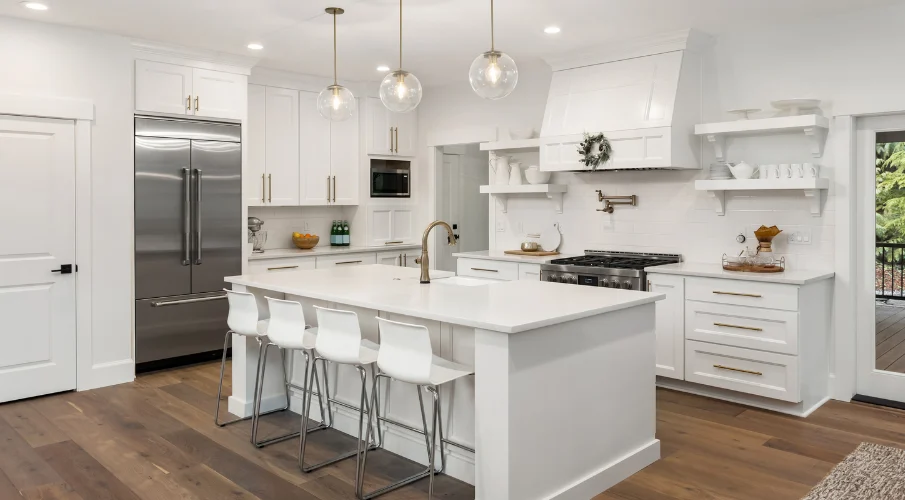
A well-designed kitchen does more than look attractive. It supports daily routines, improves efficiency, and adapts to changing household needs while remaining visually cohesive. Today’s kitchens function as cooking spaces, gathering zones, storage centers, and sometimes even workstations. That makes it essential to balance style with usability from the earliest planning stages.
Designing a kitchen that blends aesthetics with practicality requires thoughtful decisions about layout, lighting, storage, materials, and workflow. When these elements work together, the result is a space that feels comfortable, organized, and timeless.
Understanding the Role of Function in Kitchen Design
A visually impressive kitchen becomes frustrating if it does not support daily cooking routines. Practical design starts with understanding how movement happens between key areas.
Most kitchens revolve around three primary zones:
- Cooking zone
- Cleaning zone
- Storage zone
Arranging these areas efficiently improves workflow and reduces unnecessary movement. This concept is often known as the kitchen work triangle, but modern kitchens also include preparation areas and appliance stations.
Planning around real habits rather than trends leads to better long-term satisfaction.
Choosing the Right Kitchen Layout for Everyday Efficiency
Kitchen layout determines how easily tasks can be completed. Selecting the right structure ensures both functionality and visual balance.
Common layout options include:
L-shaped kitchens
These maximize corner usage while maintaining open floor flow.
U-shaped kitchens
Ideal for households that cook frequently and need more counter space.
Galley kitchens
Perfect for compact homes because they keep everything within reach.
Island kitchens
Add extra preparation space, seating, and storage.
Peninsula kitchens
Provide similar benefits to islands while fitting smaller footprints.
The best layout depends on available space and cooking frequency rather than purely aesthetic preference.
Creating Storage That Supports Daily Habits
Storage plays a central role in practical kitchen design. Clutter-free countertops improve efficiency and visual clarity.
Effective storage solutions include:
Deep drawers instead of lower cabinets
These allow easier access to cookware.
Pull-out pantry units
Help organize dry goods without wasted space.
Vertical storage cabinets
Maximize height for rarely used items.
Corner cabinet organizers
Prevent unused corner gaps.
Hidden appliance garages
Keep small appliances accessible but out of sight.
When storage aligns with daily routines, kitchens feel easier to maintain.
Selecting Materials That Balance Beauty and Durability
Material selection strongly influences both appearance and maintenance requirements. Surfaces must withstand moisture, heat, and frequent cleaning while maintaining visual appeal.
Popular countertop choices include:
- Quartz for durability and low maintenance
- Granite for natural variation and strength
- Butcher block for warmth and texture
- Solid surface materials for seamless finishes
Cabinet finishes should also support long-term usability.
Matte finishes hide fingerprints better than glossy ones, while textured laminates offer durability in busy kitchens.
Backsplashes provide an opportunity to introduce personality without overwhelming the space.
Designing Lighting That Improves Both Mood and Function
Lighting influences how comfortable and functional a kitchen feels throughout the day.
Effective kitchen lighting combines multiple layers:
Ambient lighting
Provides general illumination across the entire space.
Task lighting
Supports activities such as chopping and cooking.
Accent lighting
Highlights architectural details and decorative elements.
Under-cabinet lighting is especially useful because it reduces shadows on countertops.
Pendant lighting above islands improves both visibility and visual interest.
Choosing Cabinets That Combine Style and Practical Value
Cabinets occupy the largest visual area in most kitchens, making them essential to both aesthetics and usability.
Consider these cabinet features:
Soft-close hinges for quiet operation
Full-extension drawers for easier access
Adjustable shelving for flexibility
Integrated organizers for utensils and spices
Tall pantry cabinets for vertical storage
Neutral cabinet colors such as warm white, natural wood tones, and soft gray remain versatile across changing trends.
Mixing cabinet textures can add visual depth without complicating maintenance.
Designing a Kitchen Island That Serves Multiple Roles
Kitchen islands are among the most adaptable elements in modern kitchens.
They can support:
Food preparation
Casual dining
Storage expansion
Appliance integration
Social interaction
An island becomes even more effective when designed with electrical outlets and varied counter heights.
Seating arrangements should allow comfortable movement around the island without blocking work areas.
Integrating Appliances Without Disrupting Visual Flow
Appliance placement affects both workflow and visual harmony.
Built-in appliances help maintain a clean and organized appearance.
Popular integration strategies include:
Panel-ready refrigerators that match cabinetry
Wall-mounted ovens at ergonomic heights
Drawer-style dishwashers for convenience
Microwave cabinets positioned away from preparation zones
Thoughtful placement prevents crowding around key work areas.
Improving Countertop Functionality Without Overcrowding
Countertops must support multiple activities throughout the day.
Maintaining open surface space increases flexibility and improves cleanliness.
Ways to protect usable counter space include:
Installing wall-mounted utensil rails
Using vertical knife storage
Adding pull-out cutting boards
Placing frequently used appliances in appliance garages
Clear surfaces create a calmer visual environment and simplify meal preparation.
Using Color to Support Both Style and Longevity
Color choices influence how spacious and welcoming a kitchen feels.
Neutral palettes remain popular because they adapt easily to changing decor.
Common base colors include:
Soft white
Warm beige
Light gray
Natural wood tones
Accent colors can appear in backsplashes, stools, lighting fixtures, or decorative accessories.
This layered approach allows easy updates without major renovation work.
Designing Flooring That Handles Daily Wear
Kitchen flooring must withstand heavy foot traffic, spills, and frequent cleaning.
Reliable flooring choices include:
Porcelain tile for durability
Luxury vinyl for comfort underfoot
Engineered wood for warmth
Natural stone for visual texture
Slip-resistant finishes improve safety, especially in busy households.
Selecting flooring that matches the home’s broader design style creates visual continuity.
Planning Ventilation for Long Term Comfort
Ventilation is often overlooked during kitchen design, yet it strongly affects comfort.
Effective ventilation removes:
Cooking odors
Grease particles
Excess humidity
Heat buildup
Range hoods should match the cooking style and appliance power level.
Proper airflow improves indoor air quality and preserves cabinetry finishes over time.
Adding Personal Touches Without Reducing Functionality
A kitchen should reflect personal taste while remaining practical.
Subtle customization options include:
Open shelving for display items
Decorative hardware finishes
Statement pendant lights
Textured backsplash tiles
Natural greenery accents
Balancing decorative elements with storage efficiency prevents visual clutter.
Personalization works best when it complements the overall layout rather than competing with it.
Designing for Long Term Adaptability
Household routines evolve over time. A kitchen that supports future needs remains valuable for longer.
Consider these adaptability strategies:
Choose modular storage systems
Install adjustable shelving
Leave room for appliance upgrades
Select timeless cabinet finishes
Use neutral base palettes
Flexible design decisions reduce the need for frequent renovations.
A well-planned kitchen continues supporting everyday life even as habits change.
FAQ Section
What is the most practical kitchen layout for small homes
Galley and L-shaped layouts work best in smaller homes because they keep essential work zones close together while preserving movement space.
How can I make my kitchen look modern without a full renovation
Updating cabinet hardware, adding under-cabinet lighting, replacing pendant fixtures, and installing a new backsplash can refresh the space effectively.
Which countertop material requires the least maintenance
Quartz is one of the lowest maintenance countertop materials because it resists stains and does not require sealing.
How much storage should a kitchen ideally include
A kitchen should include enough storage to keep daily-use items within reach while storing seasonal cookware in higher cabinets or pantry zones.
Is open shelving practical for everyday kitchens
Open shelving works best when used selectively for frequently used items rather than as the primary storage system.
What lighting color temperature works best for kitchens
Neutral white lighting supports both cooking accuracy and visual comfort, making it suitable for most kitchen environments.
How can I make a kitchen safer for children
Rounded countertop edges, slip-resistant flooring, locked cleaning supply cabinets, and appliance placement away from edges improve safety significantly.