Packing Tips That Make Every Move Easier and More Organized
Introduction
Packing is one of the most important parts of any move, yet it is often the task people leave until the last minute. Rushing to pack can lead to damaged belongings, misplaced items, and unnecessary stress on moving day. Whether you are relocating to a nearby neighborhood or another city, a well-planned packing strategy helps protect your possessions and makes the entire moving process much more organized.
Many professional movers agree that careful packing can save both time and money. Properly packed boxes are easier to lift, safer to transport, and quicker to unload. They also reduce the chances of fragile items breaking during transit. While a reliable moving company can safely transport your belongings, preparing everything correctly before moving day is your responsibility unless you choose professional packing as part of your moving services.
Planning a relocation is easier with experienced ocala movers who understand the local area and provide dependable packing, loading, and transportation services. Choosing a trusted team helps protect your belongings, reduces moving stress, and ensures everything arrives safely and on schedule for a smooth transition to your new home.
This guide explains practical packing techniques that help simplify your move and ensure your belongings arrive safely at your new home.
Why Packing Should Begin Early
One of the biggest mistakes people make is waiting until the final week to begin packing. Packing an entire home always takes longer than expected. Starting several weeks before your move allows you to work at a comfortable pace and avoid unnecessary pressure.
Begin with items you use only occasionally, such as seasonal clothing, decorative items, books, and storage supplies. As moving day approaches, gradually pack everyday belongings while leaving only essential items for the final few days.
Packing early also gives you time to organize your belongings properly, replace damaged boxes if needed, and purchase additional packing materials without rushing.
Organizing Before You Pack
Before placing anything into a box, spend time sorting through every room in your home. Moving provides an excellent opportunity to reduce clutter and avoid transporting items you no longer need.
Ask yourself whether each item is useful, regularly used, or worth taking to your new home. Many households discover clothing, kitchen equipment, and household goods that have not been used for years. Donating or recycling these items reduces the number of boxes you need to move and makes unpacking much easier.
A well-organized home is much easier for movers to load efficiently, helping your moving company complete the relocation more quickly.
Choosing the Right Packing Materials
The quality of your packing materials plays an important role in protecting your belongings during transportation. Weak or damaged boxes can collapse under pressure, increasing the risk of broken items.
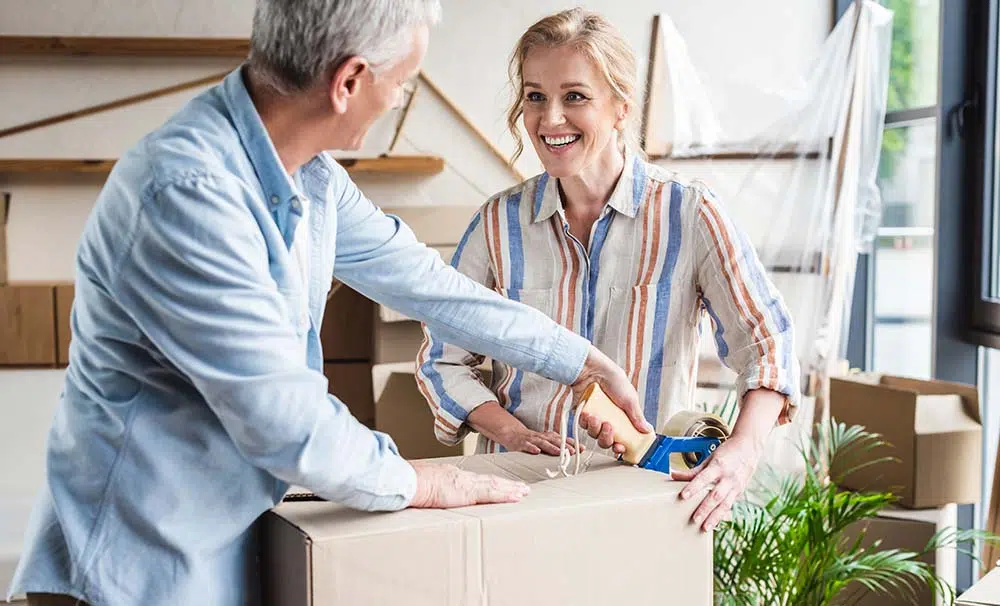
Select boxes that match the weight and size of your belongings. Smaller boxes are ideal for books and heavy objects, while larger boxes work better for lightweight household items. Strong packing tape should be used to reinforce both the bottom and top of every box.
Protective materials such as packing paper, bubble wrap, and foam help prevent fragile belongings from shifting while the moving truck is in motion. Investing in quality materials often costs far less than replacing damaged possessions after the move.
Packing Room by Room
Packing one room at a time helps maintain organization throughout the moving process. Instead of filling boxes with random household items, keep similar belongings together.
For example, kitchen supplies should remain together, bedroom items should be packed separately, and office materials should be placed in clearly labeled boxes. This organized approach allows movers to unload boxes directly into the correct rooms, making unpacking significantly easier.
Completing one room before starting another also provides a sense of progress and reduces confusion as moving day approaches.
Protecting Fragile Belongings
Fragile items require extra care during packing. Glassware, dishes, mirrors, artwork, and decorative pieces should all be wrapped individually using protective materials before being placed inside boxes.
Avoid leaving empty spaces inside boxes containing delicate belongings. Items that shift during transportation are much more likely to become damaged. Filling gaps with packing paper helps keep everything secure throughout the move.
If you own particularly valuable or sentimental possessions, discuss them with your mover before moving day. Experienced movers understand the safest methods for transporting delicate household items.
Labeling Every Box Clearly
Proper labeling may seem like a small detail, but it has a significant impact on how efficiently your move is completed.
Each box should clearly identify the room where it belongs and provide a brief description of its contents. This allows the moving company to place boxes directly into the correct rooms instead of creating unnecessary confusion after arrival.
Adding simple notes such as “Fragile,” “Kitchen,” or “Bedroom” helps movers handle boxes appropriately while making unpacking faster for you and your family.
Packing an Essentials Box
No matter how organized your move is, you may not unpack everything immediately after arriving at your new home. Preparing one essentials box ensures you have access to important items during your first day.
This box should contain everyday necessities that you are likely to need before unpacking the rest of your belongings.
Include items such as:
- Personal documents, medications, chargers, toiletries, and a change of clothes.
- Basic kitchen supplies, bottled water, snacks, and important contact information.
Keeping this box with you instead of loading it onto the moving truck provides additional convenience during the relocation.
Preparing Furniture for Transportation
Large furniture requires careful preparation before the movers arrive. Whenever possible, remove detachable parts from beds, dining tables, shelving units, and other oversized furniture.
Store screws, bolts, and hardware inside labeled bags so everything can be reassembled easily at your new home. Wrapping furniture with protective blankets helps prevent scratches during transportation.
Professional moving services often include furniture handling, but preparing these items in advance helps the moving company work more efficiently.
Avoiding Common Packing Mistakes
Many moving problems begin during the packing process rather than transportation itself. Overloading boxes is one of the most common mistakes people make. Heavy boxes become difficult to lift and are more likely to break.
Another frequent mistake is failing to label boxes properly. Without labels, unpacking becomes slow and frustrating because no one knows where each box belongs.
Some homeowners also pack hazardous or valuable items together with general household belongings. Important documents, jewelry, medications, and electronic devices should remain with you instead of being loaded onto the moving truck.
Taking a little extra time during packing helps prevent these issues and creates a much smoother moving experience.
Working with Professional Movers
Hiring experienced movers can significantly reduce the physical demands of relocation. Professional movers know how to lift heavy furniture safely, organize boxes efficiently inside the truck, and protect belongings throughout transportation.
If your moving company also offers packing assistance, consider whether this additional service fits your needs. Professional packing can save considerable time while ensuring that fragile household items receive proper protection.
Good communication with your movers before moving day helps everyone understand expectations and ensures the relocation proceeds according to schedule.
Unpacking with a Plan
After arriving at your new home, resist the temptation to unpack every box immediately. Begin with the rooms your family will use first, such as bedrooms, bathrooms, and the kitchen.
As you unpack, dispose of empty boxes and packing materials regularly to keep your new home organized. Gradually arranging furniture and decorations allows you to create a comfortable living space without feeling overwhelmed.
A thoughtful unpacking process is the final step in completing a successful move.
Frequently Asked Questions
1. When should I begin packing before moving?
Most people should begin packing at least three to four weeks before their planned move, starting with items they rarely use.
2. What is the best way to protect fragile items?
Wrap each fragile item individually using packing paper or bubble wrap and fill empty spaces inside boxes to prevent movement during transportation.
3. Should I label every moving box?
Yes. Clear labels help movers place boxes in the correct rooms and make unpacking much faster.
4. Can professional movers help with packing?
Many moving services offer professional packing in addition to transportation. Ask your moving company which services are available before your moving date.
5. What should I keep with me instead of placing it in the moving truck?
Keep important documents, medications, valuables, personal electronics, chargers, and other daily essentials with you throughout the move.
Conclusion
Packing is much more than placing belongings into boxes. It is the foundation of a safe, organized, and efficient move. Starting early, choosing quality packing materials, organizing each room carefully, and labeling boxes correctly all contribute to a smoother relocation. Working with experienced movers and selecting reliable moving services further reduces stress while protecting your possessions throughout the journey.
Whether you are preparing for your first relocation or have moved several times before, following proven packing techniques makes every move easier to manage. With careful planning and the support of a trusted moving company, you can arrive at your new home knowing your belongings have been transported safely and your transition has been as organized as possible.