Understanding Solar Installation Costs When Hiring Local Experts
Thailand gets strong sunshine for most of the year, and rising electricity bills have led many households to consider rooftop solar. Before you sign a contract, you should know where your money goes and how installers set their prices.
Hiring local solar installers gives you access to teams who understand Thai roofing styles, monsoon conditions and the approval process with your electricity authority. Their quotes reflect these local factors, so compare each line item instead of focusing only on the final figure.
This guide covers typical costs, the factors that shape them and the questions to ask a local solar installer before you commit.
Typical System Costs in Thailand
Most Thai homes install systems between 3 kW and 10 kW. As a rough guide, a fully installed 5 kW system often costs between 150,000 and 220,000 baht. Larger systems usually cost less per kilowatt because fixed expenses such as design, permits and labour are spread across more panels.
Prices also vary by region. Installers in Bangkok may charge different rates from those in Chiang Mai, Khon Kaen or Phuket. Travel distance, local demand and labour supply all affect the price.
What Makes Up the Price
A standard quote includes:
- Solar panels: These usually make up 40 to 50 percent of the total cost. Thai rooftops often exceed 60°C, so check each panel’s temperature coefficient as well as its efficiency.
- Inverter: This converts DC power to AC for household use. String inverters cost less, while hybrid inverters with battery support cost more.
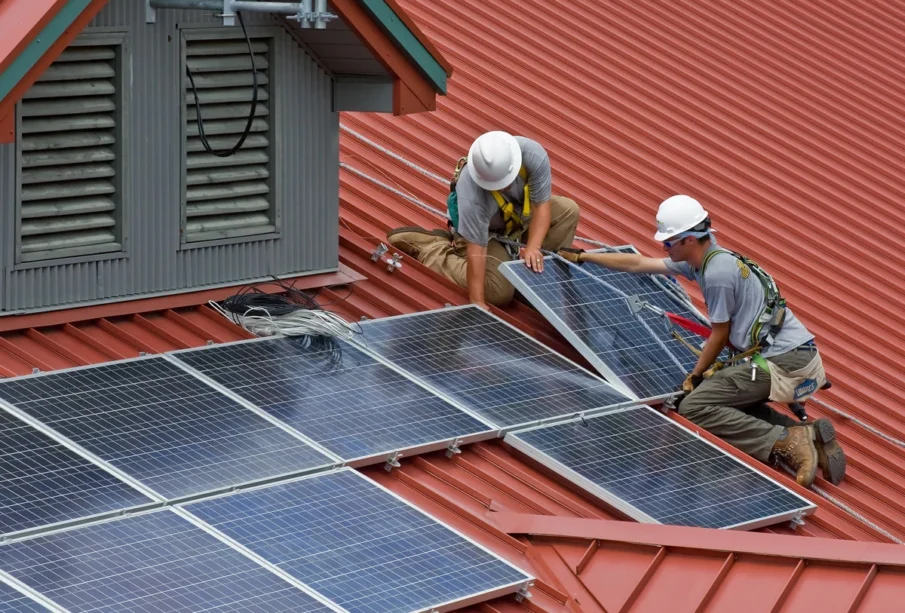
- Mounting structure: This must suit your roof type, such as metal sheet, concrete tile or ceramic tile.
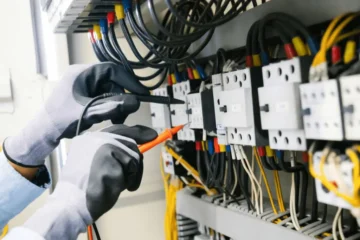
- Electrical work and cabling: This covers safety switches, surge protection and earthing.
- Permits and grid connection: This covers paperwork for building approval and connection to the grid.
- Batteries (optional): These can add 80,000 baht or more.
Government Incentives and Approvals
Thailand’s residential solar scheme lets households sell surplus electricity back to the grid. The rate is currently 2.20 baht per unit under a 10-year agreement. The government has also introduced tax deductions for rooftop solar in recent years. Conditions and limits change, so check the latest rules with the Revenue Department.
Experienced installers usually manage the permit process. This includes approval from your local municipality, the Energy Regulatory Commission and your electricity authority. Confirm that all related fees appear in your quote.
Questions to Ask Before You Sign
- Does the price include permits, grid connection and a new meter if needed?
- What warranties cover the panels, inverter and workmanship?
- Who provides after-sales service, and how quickly can they respond?
- Has the installer checked shading and roof strength on site?
- What annual savings and payback period do they estimate?
Calculating Payback
Household electricity in Thailand costs around 4 to 5 baht per unit, so many Thai homes recover their investment within 5 to 8 years. Homes that use most of their power during daylight hours see faster returns. Running air conditioning while working from home is a common example.
Get at least three detailed quotes and compare each component, not only the total. Choose an installer who explains costs clearly, holds proper licences and offers reliable support. A well-planned system can lower your electricity bills for 25 years or longer.