
Choosing Polyurethane Mouldings for Elegant Living Spaces
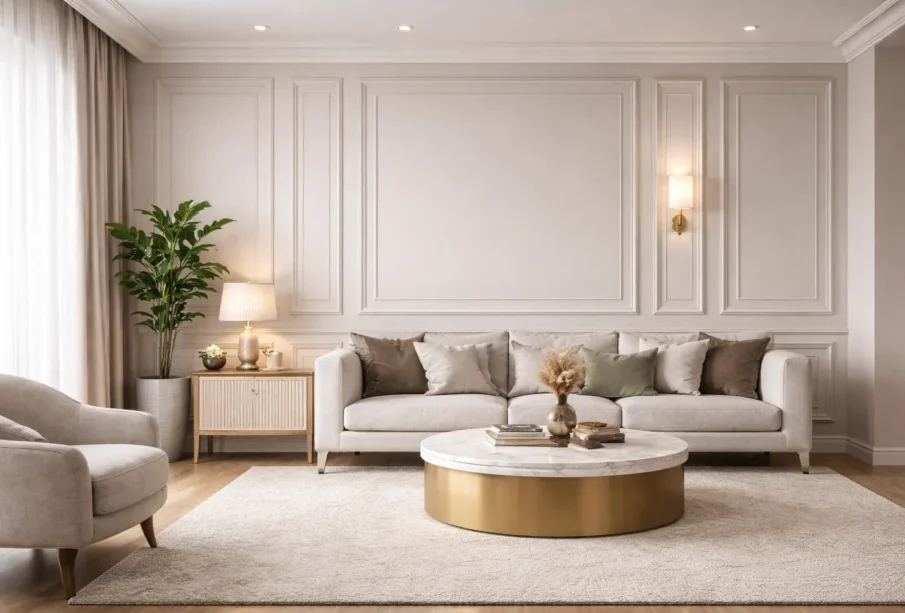
Mouldings give a room its structure. Cornices, skirting boards, ceiling medallions and panel trims add depth to plain walls and draw the eye upwards. Across Thailand, more homeowners and designers now choose polyurethane over plaster or timber for these details, mainly because of how well the material handles local conditions.
Polyurethane mouldings are cast from high-density foam in detailed moulds. The result is light, consistent in shape and easy to cut on site. To get a sense of the profiles available, from simple cornices to ornate ceiling roses, you can browse a catalogue such as https://www.basreliefmouldings.com/ and compare sizes, patterns and finishes.
Before you buy, focus on three factors: climate, style and installation. Getting these right early saves time, money and repair work later.
Durability in a Humid Climate
Humidity in Thailand often sits above 70 per cent, and the monsoon season brings months of damp air. Timber swells, warps and attracts termites. Plaster can crack and absorb moisture, which leads to mould stains on ceilings.
Polyurethane has a closed-cell structure, so it does not absorb water, rot or appeal to insects. This makes it a sound choice for:
- Bathrooms and kitchens
- Condominiums near the coast in Phuket, Pattaya or Hua Hin
- Ground-floor rooms prone to damp
Most polyurethane is designed for indoor use. For verandas or exterior façades, choose a product rated for outdoor exposure and protect it with a UV-resistant paint.
Matching Thai Interiors
Thai homes vary widely, so match the moulding to the architecture.
Modern condominiums: Bangkok high-rises often have lower ceilings. Use slim, low-profile cornices and flat skirting to keep rooms feeling open.
Traditional Thai homes: Look for profiles with lotus, floral or lai Thai motifs. A gold or bronze finish can echo the detailing found in temple architecture without overwhelming the space.
Classical villas and heritage shophouses: Deeper cornices, dentil trims and large ceiling medallions suit high ceilings and formal living areas.
As a general rule, scale the cornice to the ceiling height. A ceiling of 2.6 metres suits a cornice of around 8 to 10 centimetres. Taller rooms can carry 15 centimetres or more.
Practical Tips for Selection
- Measure first. Record wall lengths, ceiling heights and corner angles before ordering.
- Check density. Higher-density polyurethane holds fine detail better and resists dents.
- Choose primed pieces. Factory-primed mouldings save a step and give paint a better surface to grip.
- Use the right adhesive. Polyurethane-compatible adhesive and flexible filler for joints prevent gaps as the building moves.
- Order extra stock. Add 10 per cent to allow for cutting errors and corner joins.
- Plan for lighting and air conditioning. Cove profiles can hide LED strips, and you should map out air-con units and vents before fixing cornices.
- Request a sample. Hold a short length against the wall to judge scale and finish in natural light.
Polyurethane mouldings suit Thailand’s climate and adapt to modern, traditional and classical interiors. Measure carefully, match the profile to your room’s proportions and choose a finish that fits the style of the home. With these steps, you can add lasting detail to any living space.