Extending the Life of Industrial Roofs Through Quality Repair Work
An industrial roof protects stock, machinery and staff from some of the harshest weather in the world. Across Australia, that means intense UV, tropical downpours, coastal salt spray and sudden hailstorms. Well-planned industrial roof repairs keep that protection working for decades rather than years.
Most metal roofs on warehouses, factories and distribution centres are built to last 30 to 50 years. Few reach that age without attention. Small faults such as loose fixings, lifted flashings or minor rust spots grow quickly when left alone. Timely industrial roof repairs stop these issues early, before water reaches insulation, structural steel or electrical systems.
The quality of the work matters as much as its timing. A rushed patch can trap moisture, mix incompatible metals or fail in the next storm. Done properly, repairs to an industrial roof restore the original performance of the sheeting and extend its working life.
Common Causes of Roof Damage in Australia
Local conditions place constant stress on industrial roofing. Watch for these common problems:
- UV exposure: Breaks down sealants, coatings and polycarbonate skylights.
- Thermal movement: Daily heating and cooling loosens screws and widens gaps at joints.
- Corrosion: Salt air in coastal areas and chemical fumes in some industrial zones speed up rust.
- Storm damage: Cyclones in the north and hail in the south-east lift sheets and dent panels.
- Blocked drainage: Debris in gutters and box gutters causes water to pond and overflow.
What Quality Repair Work Looks Like
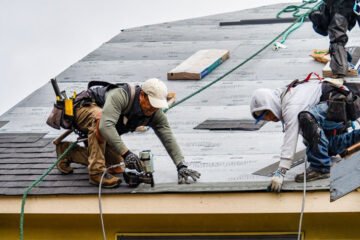
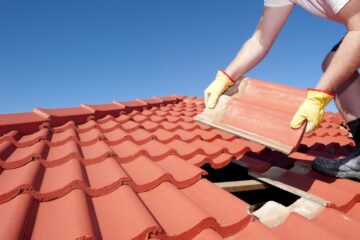
Good repair work follows a clear process.
Inspect thoroughly. Find the true source of a leak, not only the stain inside. Check fixings, flashings, gutters, penetrations and skylights.
Match materials. Use fasteners and sheeting compatible with the existing roof. Mixing metals such as copper and zinc-coated steel causes galvanic corrosion.
Follow standards. Repairs should meet the relevant Australian Standards and the National Construction Code, including wind ratings for the site’s region.
Treat rust properly. Remove corrosion, treat the surface and apply a suitable coating. Replace any sheets where rust has perforated the metal.
Seal correctly. Use roof-grade sealants rated for Australian UV levels. Apply them to clean, dry surfaces.
Safety and Compliance
Industrial roofs carry real risks. Work health and safety laws in each state and territory require fall protection, edge protection and safe access for anyone working at height. Many buildings constructed before 1990 also contain asbestos cement sheeting. Never cut, drill or water-blast these roofs without a licensed asbestos assessment.
Build a Maintenance Routine
Repairs work best as part of a regular maintenance plan.
- Inspect the roof at least twice a year, ideally before the summer storm season and after autumn.
- Check again after any major storm or hail event.
- Clear gutters, box gutters and downpipes regularly.
- Record every inspection and repair to track recurring issues.
- Replace worn seals and fixings before they fail.
The Long-Term Payoff
Consistent, quality repair work protects the value of the building and the operations inside it. It reduces the risk of water damage, downtime and stock losses. It also delays the cost of a full roof replacement, often by many years.
Treat the roof as an asset that needs ongoing care, not a structure to ignore until it leaks. Small, well-executed repairs today keep an industrial roof sound for years to come.