
The Importance of Regular Pest Control Inspections
Introduction
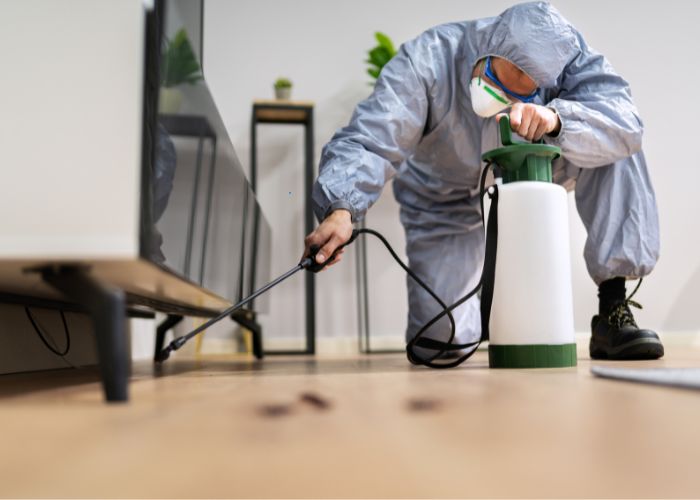
Many pest infestations begin quietly, with little or no visible evidence. By the time homeowners notice damage or large numbers of insects, the problem may already be extensive. Regular pest control inspections help detect early signs of pest activity, allowing problems to be addressed before they become expensive and difficult to eliminate. Routine inspections are one of the most effective ways to maintain a healthy and pest-free property.
What Is a Pest Control Inspection?
A pest control inspection is a detailed evaluation of a property to identify signs of current pest activity, conditions that attract pests, and areas vulnerable to future infestations.
An inspection generally includes:
- Interior rooms
- Kitchens
- Bathrooms
- Basements
- Attics
- Crawl spaces
- Garages
- Rooflines
- Exterior foundations
- Landscaping
The goal is to identify problems before they become severe.
Benefits of Routine Inspections
Regular inspections provide numerous advantages for homeowners and businesses.
Benefits include:
- Early pest detection
- Lower treatment costs
- Reduced property damage
- Better sanitation
- Improved safety
- Long-term prevention
Finding small problems early often prevents large infestations later.
Detecting Hidden Pest Activity
Many pests remain hidden for weeks or months.
Common hiding places include:
- Behind walls
- Under flooring
- Ceiling voids
- Storage boxes
- Utility rooms
- Wooden framing
Professional inspections help uncover these hidden areas before damage spreads.
Preventing Structural Damage
Certain pests can weaken a building without immediate visible signs.
Examples include:
- Termites damaging support beams
- Carpenter ants hollowing wood
- Rodents chewing insulation
- Mice damaging wiring
Routine pest control inspections protect valuable building materials and reduce repair expenses.
Improving Indoor Health
Pests may introduce bacteria, allergens, and unpleasant odors into living spaces.
Inspections help reduce risks associated with:
- Cockroaches
- Rodents
- Flies
- Bed bugs
- Mosquitoes
Healthier indoor environments benefit every member of the household.
Seasonal Pest Monitoring
Different pests become active throughout the year.
Examples include:
- Spring: ants and termites
- Summer: mosquitoes and flies
- Autumn: rodents
- Winter: indoor insects
Regular inspections allow treatment plans to adapt with seasonal pest activity.
Identifying Entry Points
Pests often enter through small openings that homeowners overlook.
Inspectors check for:
- Cracks in foundations
- Gaps around windows
- Damaged door seals
- Roof openings
- Plumbing penetrations
- Ventilation gaps
Sealing these areas greatly reduces future infestations.
Saving Money
Preventive pest control is usually far less expensive than repairing major pest damage.
Routine inspections help avoid costs related to:
- Structural repairs
- Furniture replacement
- Food contamination
- Electrical repairs
- Emergency pest treatments
Preventive maintenance is a wise long-term investment.
Working with Pest Control Professionals
Experienced technicians understand pest behavior and know where infestations typically begin.
Professional inspections provide:
- Detailed reports
- Customized recommendations
- Preventive strategies
- Monitoring plans
- Safe treatment options
This comprehensive approach delivers better long-term results than reacting after pests become established.
Maintaining a Pest-Free Home
Homeowners should combine inspections with everyday prevention.
Helpful habits include:
- Keeping kitchens clean
- Fixing water leaks
- Removing clutter
- Storing food securely
- Inspecting outdoor landscaping
- Cleaning gutters regularly
These practices support a complete pest control program.
Conclusion
Regular pest control inspections are one of the best investments homeowners can make. Early detection prevents costly repairs, protects indoor health, and reduces the likelihood of severe infestations. By combining routine inspections with preventive maintenance, homeowners can enjoy a cleaner, safer, and more comfortable living environment throughout the year.


